Every slot player has heard the phrase "this machine is due." It's the casino equivalent of saying a coin is due to land on heads because it just landed on tails five times. The problem isn't that players believe in luck — it's that the industry has done a spectacularly poor job explaining how slots actually work. So let's fix that. Not with marketing fluff, but with the kind of straight talk you'd get from someone who has spent too many hours reading paytable PDFs and volatility spreadsheets.
RTP Is Not a Promise, It's a Long-Run Average
Return to Player (RTP) is the percentage of all wagered money a slot is programmed to pay back over millions of spins. A 96% RTP slot keeps 4% for the house, on average. Sounds simple. The trap is the word average. It doesn't mean you'll lose 4% of your bankroll in a session. It means if you spun that machine ten million times, your total returns would land close to 96%.
Here's a concrete example. Suppose you play a 96.5% RTP slot at $1 per spin for 500 spins. Your total wager is $500. The expected return is $482.50, so the theoretical house edge costs you $17.50. But in reality, you might finish the session up $200 or down $300. The math only converges over enormous sample sizes — millions of spins, not hundreds.
RTP also varies wildly by game type and provider. A few real-world reference points:
- Classic three-reel slots: often 92% to 95%
- Modern video slots (NetEnt, Play'n GO, Pragmatic): typically 94% to 96.5%
- Megaways titles: frequently 95% to 96.5%, but with brutal volatility
- Progressive jackpot slots: as low as 88% to 92% because part of each bet feeds the jackpot pool
That last bullet is the one most players miss. A progressive slot with a huge growing jackpot looks thrilling, but its base-game RTP is often the worst on the floor. You're paying a tax for the dream.
Volatility Is the Variable That Actually Ruins Bankrolls
If RTP tells you the long-run price of admission, volatility tells you the shape of the ride. Two slots with identical 96% RTP can feel completely different. A low-volatility slot pays small amounts often, like a steady drip. A high-volatility slot can eat 300 spins without a win, then suddenly drop a 500x bonus.
Which is better? Neither. It depends on your bankroll and temperament. If you're playing with $50, a high-volatility slot at $1 spins is a coin flip against ruin. If you have $500 and want the shot at a large hit, low volatility will bore you to tears before it pays anything meaningful. Take a look at xoilac for a fuller picture.
A rough rule of thumb experienced players use: your session bankroll should be at least 200 to 300 times your average bet for medium-volatility games, and 400 to 500 times for high-volatility ones. That's not a guarantee of survival — it's just a buffer against the natural swings of variance.
Where Casino Games Actually Differ in Edge
One of the most useful things you can do as a player is stop thinking in categories ("slots vs. table games") and start thinking in house edge. Here's how the major games stack up:
- Blackjack (basic strategy): 0.5% house edge
- Baccarat (banker bet): 1.06%
- Craps (pass line with odds): 0.5% to 1% depending on odds
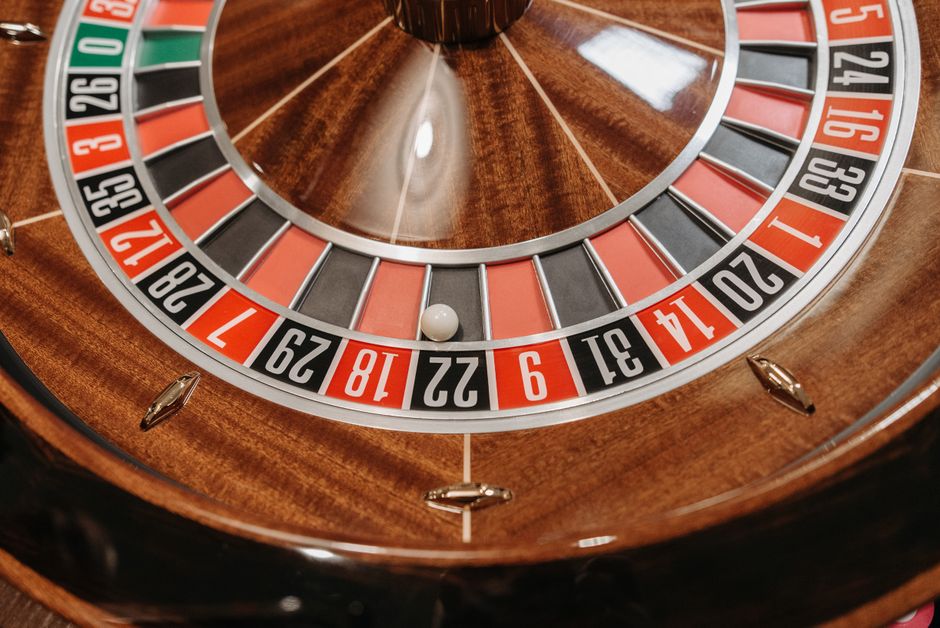
- European roulette: 2.7%
- American roulette: 5.26% (the double zero kills you)
- Slots: 2% to 10%+ depending on the game
- Keno: often 25% to 35%
This is why the smartest gamblers don't play one game. They pick the games with the narrowest edges and the strategies they can execute correctly. A blackjack player who knows basic strategy cold is playing a fundamentally different game than the guy at the $10 keno machine.
The Poker Exception: Skill Changes Everything
Poker belongs in its own category. The house doesn't take a cut from each hand in the same way it does on slots — it takes a rake, usually 5% of the pot capped at a few dollars. That means your actual edge comes from beating other players, not from finding a generous paytable.
This is the only major casino game where the "house edge" isn't fixed. A strong player at a soft table has a positive expected value. A weak player at a tough table gets crushed. That's why serious poker players obsess over table selection more than starting hands. Finding a table full of loose, passive callers is worth more than any hole-card chart.
For beginners, the practical takeaway is simple: learn one format (no-limit hold'em cash games, for example), master the fundamentals of position and pot odds, and only move up in stakes when you've beaten the current level over at least 10,000 hands. No shortcuts.
Practical Rules for Not Getting Burned
None of this math matters if you ignore basic bankroll discipline. A few habits that separate long-term survivors from cautionary tales:
- Set a hard loss limit before you start. Decide the number, write it down, and walk when you hit it. No exceptions.
- Check the RTP before you spin. Most providers list it in the game info menu. If a slot is below 94%, you can find better options almost instantly.
- Match volatility to bankroll. High volatility with a small bankroll is a donation, not entertainment.
- Use bonuses wisely. A 100% match bonus with a 40x wagering requirement on slots is far better than the same bonus on roulette, where most casinos exclude or heavily weight the wagering.
- Take breaks. Tilt is real, and it costs more than any house edge.
The Bottom Line
Casinos don't need to cheat. The math already works in their favor at every table and every slot, and the games are designed to be seductive enough that players ignore that fact. The best thing you can do as a player is understand the mechanics — RTP, volatility, house edge, and bankroll management — well enough to make deliberate choices instead of reactive ones. That doesn't guarantee winning. Nothing does. But it does guarantee you'll be playing the game you think you're playing, rather than the one the casino is quietly running around you.


Félix Lengyel 01.01.2024 at 8:00
You guys have put so much work, effort, and time while designing this awesome theme I can see that passion when I incorporated it into my website.
ReplyJoseph Crawford 01.01.2024 at 8:00
The only thing I LOVE more than this theme and it’s incredible options is the support team! They are freaking amazable!
ReplyPatsy Hamlin 01.01.2024 at 8:00
Outstanding quality in this theme, brilliant Effects and perfect crafted Code. We absolutely love it and can highly recommend DynamicLayers!
Reply